
12mm toughened glass partition price
Understanding the 1% 4% 20% Thread Gage A Comprehensive Overview In the world of engineering and manufacturing, precision is critical. One of the vital tools that ensure threads meet required specifications is the thread gage. Among the many types available, the 1% 4% 20% thread gage is particularly noteworthy for its effective measurement capabilities. This article will delve into the significance, application, and implications of using this specific thread gage in various industries. What is a Thread Gage? A thread gage is a tool used to measure the size, pitch, and depth of threads on screws, nuts, and other fasteners. When a thread gage is employed, it can help in determining whether the threads are within the tolerances specified by engineering standards. Different types of thread gages are available, including plug gages, ring gages, and thread pitch gages, and each serves a unique purpose. The 1% 4% 20% Thread Gage Explained The term 1% 4% 20% in the context of thread gages typically refers to the statistical quality control framework used to assess the acceptable limits of tolerances in thread manufacturing. This principle is often grounded in the Six Sigma methodology, which aims to improve the quality of process outputs by identifying and removing causes of defects and minimizing variability. 1. 1% Tolerance This level indicates that only 1% of the production can fall outside of the specified tolerance range. It highlights the importance of maintaining extremely tight tolerances, crucial in high-performance applications where even the slightest misalignment can lead to catastrophic failures. 2. 4% Tolerance At this level, 4% of the products can be permissible deviations from the norm. This tolerance is often suitable for parts that are less critical but still require a robust measurement system to ensure performance and reliability over time. 3. 20% Tolerance With a broader tolerance of 20%, this standard might be applicable in applications where precision is less critical, allowing for easier manufacturing processes while still maintaining a baseline quality. This could be useful in less demanding assemblies where high-strength materials mitigate risks. Applications of the 1% 4% 20% Thread Gage The use of the 1% 4% 20% thread gage spans various industries, including 1 4 20 thread gage - Aerospace In this highly regulated field, thread precision is paramount. A slight defect could threaten the safety of an aircraft. Employing a 1% tolerance ensures that components meet stringent performance standards. - Automotive In the automotive sector, parts must endure extreme conditions, from temperature fluctuations to mechanical stress. Using these gages allows manufacturers to provide reliable materials that stand the test of time. - Manufacturing For general manufacturing, utilizing a 4% or 20% tolerance can enhance productivity. It empowers manufacturers to achieve a balance between efficiency and quality, allowing for cost-effective production without sacrificing essential standards. Benefits of Utilizing 1% 4% 20% Thread Gages 1. Quality Assurance Incorporating these gages into a quality assurance process minimizes defects and variances in production, ensuring that products consistently meet established specifications. 2. Cost Efficiency By identifying potential faults early in the production line, companies can reduce waste and save costs related to rework and scrap materials. 3. Enhanced Safety In critical applications where human lives are at stake, ensuring high-quality components through rigorous testing with thread gages can significantly enhance overall safety. 4. Regulatory Compliance Many industries are subject to regulatory standards that specify the required tolerances for components. Using these gages can help organizations stay compliant and avoid legal complications. Conclusion In conclusion, the 1% 4% 20% thread gage serves as an essential tool in various sectors that require high levels of precision in threaded components. By understanding and applying these standards, manufacturers can ensure quality, safety, and efficiency in their production processes. As technology advances, the importance of such measurement tools will only grow, cementing their place in the future of manufacturing and engineering.
about
12mm toughened glass partition price
The thread plug gauge is an indispensable tool in any manufacturing or machining environment where threaded components are produced. Used primarily for inspecting internal threads, it ensures the quality and functionality of these threads. Its design allows for precision measurement of internal threads, ensuring they are within tolerance limits and meet the desired specifications. A thread plug gauge typically features a plug-like design with a threaded portion that matches the threads of the component it is measuring. To use it, the gauge is inserted into the internal threads of a part. If the plug fits correctly, the threads of the part are considered within the required specifications. If the plug does not fit, the part may be out of tolerance and need rework or adjustments. This critical quality control step helps reduce defects and ensures a higher standard of precision. The thread plug gauge is used extensively in industries such as automotive, aerospace, and manufacturing. These industries rely on the precision of threaded components for everything from engine parts to structural components. Ensuring the proper fit of internal threads is crucial for the safe and efficient operation of the final products. By employing thread plug gauges , manufacturers can avoid costly rework and prevent defects that could affect product performance or safety. Moreover, the thread plug gauge helps standardize the quality of parts. It provides a simple, effective method of checking internal threads, reducing human error in the measurement process. Regular use of thread plug gauges results in higher consistency, better quality control, and improved customer satisfaction. The Role of the Internal Thread Gauge in Thread Measurement The internal thread gauge plays a crucial role in thread measurement, just like the thread plug gauge . The internal thread gauge is specifically designed to check the dimensions and integrity of internal threads in components. These gauges help manufacturers ensure that internal threads are precisely formed and fall within acceptable tolerance ranges. Like the thread plug gauge , the internal thread gauge can be inserted into the threaded portion of a component to verify its accuracy. The gauge is often calibrated to match a particular type of internal thread, ensuring that the thread diameter, pitch, and form all conform to the specified standards. When a part passes the inspection with an internal thread gauge , manufacturers can be confident that the component will work as intended with the corresponding external threads. Having an internal thread gauge in the workshop allows manufacturers to quickly inspect and confirm the quality of threaded components. Without this tool, manufacturers might be more likely to miss defects that could later affect the function or durability of the finished product. Whether dealing with large industrial parts or precision machinery components, the internal thread gauge is an essential tool for maintaining quality and accuracy. For industries such as automotive, aerospace, and industrial machinery, using an internal thread gauge ensures that components meet exacting standards. These industries depend on high-quality threaded connections for safety, reliability, and efficiency. By ensuring the proper dimensions of internal threads, manufacturers can reduce failure rates and improve the overall performance of their products. The Thread Plug Gauge Price List: A Guide to Finding Quality at the Right Price When it comes to purchasing a thread plug gauge , one of the most important considerations is the thread plug gauge price list . The price of these gauges can vary depending on factors such as material, precision, size, and manufacturer. It's essential to carefully review the thread plug gauge price list to ensure you're getting the best value for your investment. The thread plug gauge price list will often feature a range of options, from basic models for general use to highly precise gauges for specialized applications. For manufacturers that require exceptional precision, such as in the aerospace or automotive industries, high-end gauges may be necessary. These gauges are made from durable materials like carbide or hardened steel, which can withstand the wear and tear of repeated use. However, even when considering higher-end models, manufacturers should ensure that the price aligns with the expected benefits. A thread plug gauge price list can be a useful resource for comparing various options, from budget-friendly models to premium products. It’s important to consider the long-term costs and benefits of each gauge, factoring in its durability, accuracy, and the types of projects for which it will be used. When selecting a thread plug gauge , manufacturers should also factor in the cost of calibration and maintenance, which can add to the total cost of ownership. Understanding the full scope of expenses ensures that companies can budget effectively while still maintaining high standards of quality. How the Thread Ring Gauge is Used for Checking External Thread Quality While the thread plug gauge is used for checking internal threads, the thread ring gauge is used for checking external threads. These gauges are an essential part of the thread measurement process, allowing manufacturers to verify the dimensions and form of external threads to ensure they fit correctly with corresponding internal threads. The thread ring gauge is designed to fit over the external threads of a component. When using the gauge, it should slip over the external threads easily if they are within tolerance. If the threads are too large or too small, the gauge will not fit, indicating that the component does not meet the required standards. The thread ring gauge helps manufacturers assess the pitch, diameter, and overall quality of external threads. Using the thread ring gauge in conjunction with the thread plug gauge ensures that both internal and external threads are within tolerance. This comprehensive checking process helps to reduce defects, prevent misalignment, and improve the overall performance of threaded components. In industries where precision is essential, such as in automotive, aerospace, and manufacturing, the thread ring gauge is a vital tool for quality assurance. Moreover, the thread ring gauge is simple to use, which makes it an ideal tool for quick inspections during the production process. It helps maintain quality standards without slowing down the manufacturing workflow. Whether for large-scale industrial production or small-batch manufacturing, the thread ring gauge ensures that every component meets the necessary specifications for safe and efficient operation. Achieving Quality and Precision with Thread Gauges When it comes to ensuring the quality and precision of threaded components, using the right tools is crucial. The combination of the thread plug gauge , internal thread gauge , and thread ring gauge ensures that both internal and external threads meet the required specifications, preventing defects and improving product reliability. Thread gauges are essential for industries where threaded components play a critical role in the function and safety of the final product. By using these gauges, manufacturers can ensure that components fit together properly, reducing the risk of malfunctions or failures during operation. Whether working with large industrial machinery or precision instruments, thread gauges help manufacturers maintain high standards of quality and performance. Furthermore, understanding the thread plug gauge price list allows manufacturers to find the right balance between cost and quality. With a variety of price points and options available, manufacturers can select the best gauges for their needs while staying within budget. By investing in quality thread gauges, manufacturers can reduce the risk of costly defects and rework, improving efficiency and product quality in the long run. In conclusion, the use of thread plug gauges , internal thread gauges , and thread ring gauges is essential for achieving high-quality threaded components. These tools help manufacturers ensure that their products meet the highest standards of precision, ensuring their functionality and reliability in a wide range of applications. Whether you're working in automotive, aerospace, or manufacturing, incorporating thread gauges into your production process is a smart choice for improving quality and maintaining consistency across products.
-

High quality industrial productsagement

High quality industrial products
View Details -

Meet the diverse needs of customers

Meet the diverse needs of customers
View Details -

Strict quality control

Strict quality control
View Details -

Top raw materials

Top raw materials
View Details -

Trusted supplier

Trusted supplier
View Details
Our application


news and information

Wholesale Options for High-Quality Ball Valves in Various Sizes and Materials
The Growing Market for Ball Valve Wholesale Trends and Insights In the world of plumbing and industr
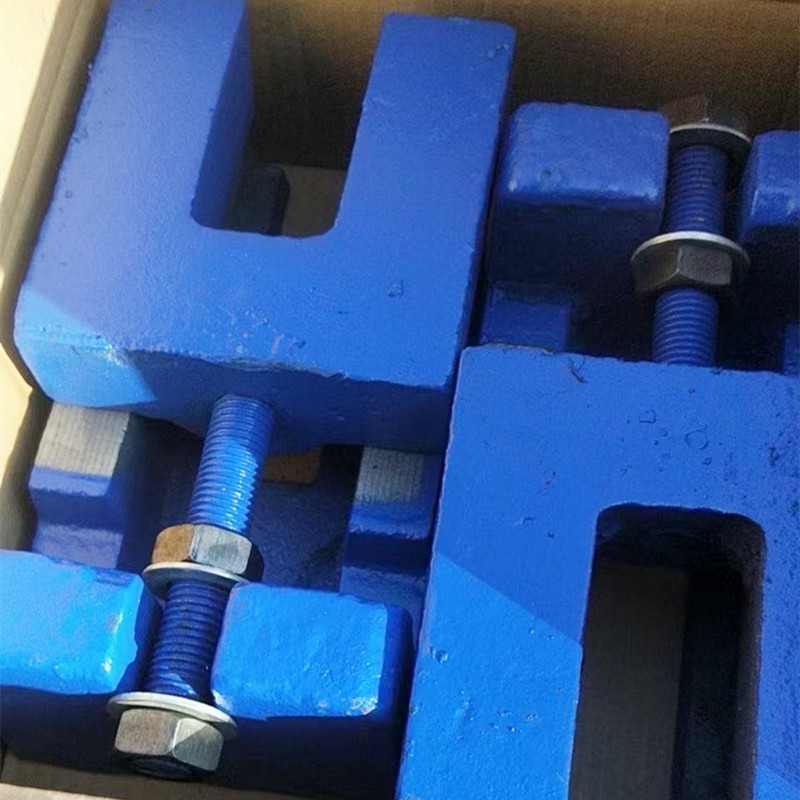
Various Types and Applications of Knife Gate Valves in Industrial Solutions
Types of Knife Gate Valves A Comprehensive Overview Knife gate valves are essential components in va
Welding Fabrication Techniques A Comprehensive Guide for Professionals
Understanding Welding Fabrication Tables A Key Tool for Precision and Efficiency Welding fabrication
 English